High Plains Prospectors
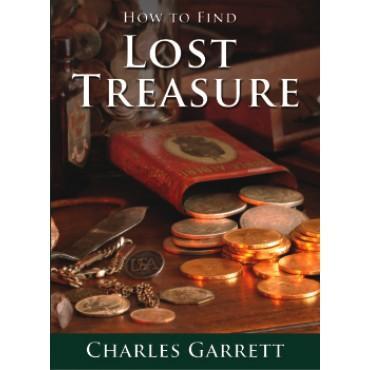
How to Find Lost Treasure by Charles Garrett
How to Find Lost Treasure by Charles Garrett
Couldn't load pickup availability
How to Find Lost Treasure by Charles Garrett
Learn How Research, Local History & Metal Detecting Can Lead to Lost Treasure
Turn legends, forgotten stories, and historical clues into real treasure-hunting opportunities with How to Find Lost Treasure by renowned detector manufacturer and treasure-hunting expert Charles Garrett. This compact guide introduces readers to the research, planning, and field techniques used to search for coins, relics, caches, jewelry, and other valuables lost or hidden in the past.
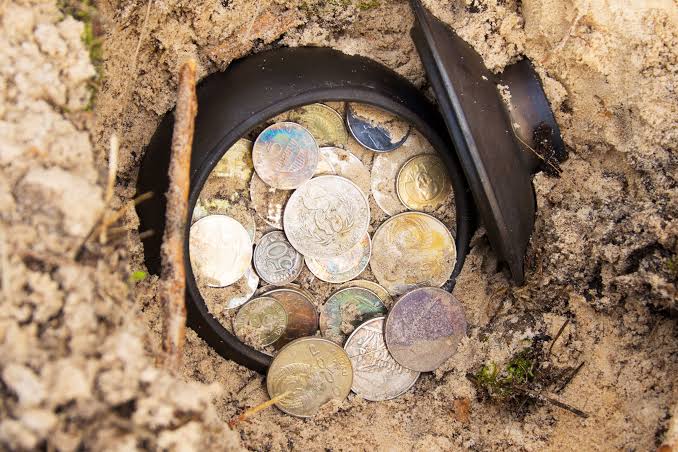
Lost treasure is not always a legendary chest filled with gold. It may be a jar of coins hidden near an old homesite, jewelry lost at a gathering place, military relics scattered around a forgotten camp, or personal valuables buried for safekeeping and never recovered. Charles Garrett helps readers understand how historical events, human behavior, and careful research can point toward promising places to search.
With its convenient pocket-sized design, How to Find Lost Treasure is easy to carry in a detecting bag, vehicle, or backpack. It makes an excellent introductory reference for anyone interested in combining metal detecting with historical investigation.
Perfect For
-
Treasure hunters
-
Metal detectorists
-
Coin and relic hunters
-
Cache hunters
-
Ghost town explorers
-
History enthusiasts
-
Beginning detectorists
-
Experienced hobbyists
-
Historic-site researchers
-
Garrett book collectors
-
Outdoor adventurers
-
Anyone fascinated by lost-treasure stories
What You'll Discover
-
How lost and hidden treasures may be created
-
Why people buried or concealed valuables
-
Ways to research promising treasure-hunting locations
-
How old maps and historical records can provide useful clues
-
The importance of studying past human activity
-
How local legends can become starting points for research
-
Potential places where coins, relics, and caches may be found
-
How metal detectors can assist with treasure recovery
-
Why careful field observation is essential
-
The value of combining multiple clues before beginning a search
-
Responsible approaches to treasure hunting and target recovery
Features
-
Written by Charles Garrett
-
Practical introduction to lost-treasure hunting
-
Combines historical research with field exploration
-
Covers coins, relics, caches, and other lost valuables
-
Beginner-friendly writing style
-
Compact pocket-sized format
-
Easy to carry during research trips and detecting adventures
-
Useful for both new and experienced treasure hunters
-
72 pages
-
Convenient 3.5" x 5" dimensions
Benefits
-
Learn how to turn historical information into search opportunities
-
Develop a more organized approach to treasure research
-
Understand how human behavior can help identify promising locations
-
Improve your ability to evaluate treasure legends
-
Discover new ways to use your metal detector
-
Build confidence when researching old properties and historic sites
-
Add a portable reference to your detecting equipment
-
Gain practical knowledge from a pioneer of recreational metal detecting
-
Makes an affordable gift for treasure hunters and history enthusiasts
Potential Treasure-Hunting Locations
Lost or hidden valuables may be associated with:
-
Old homesites and farmsteads
-
Abandoned buildings and foundations
-
Ghost towns
-
Former military camps
-
Stagecoach and wagon routes
-
Historic trails and crossings
-
Old fairgrounds and gathering places
-
Swimming holes and beaches
-
Mining camps
-
Cellar holes and outbuildings
-
Large trees and historic landmarks
-
Places connected to local legends
Every location requires proper permission, and some historic or archaeological sites may be legally protected from metal detecting or excavation.
Research Resources
Useful sources for lost-treasure research may include:
-
Historic maps
-
Property and deed records
-
Old newspapers
-
County and community histories
-
Sanborn fire-insurance maps
-
Mining reports
-
Military records
-
Library archives
-
Historical photographs
-
Oral histories
-
Family records
-
Local museums and historical societies
The strongest search plans typically combine several independent sources instead of relying on a single story or map.
Recommended Accessories
Complete your treasure-hunting kit with:
-
Metal detector
-
Handheld pinpointer
-
Quality headphones
-
Hand digging tool
-
Finds pouch
-
Protective gloves
-
Compass or handheld GPS
-
Field notebook and pencils
-
Historic maps
-
Camera or smartphone
-
Coin and relic storage containers
-
Understanding Treasure Signs and Symbols by Charles Garrett
-
Ghost Town Treasures: Ruins, Relics, & Riches by Charles Garrett
-
Treasure Hunting for Fun and Profit by Charles Garrett
-
Buried Treasure: You Can Find by Sir Robert F. Marx
Specifications
-
Title: How to Find Lost Treasure
-
Author: Charles Garrett
-
Format: Pocket-sized softcover book
-
Pages: 72
-
Dimensions: 3.5" x 5"
-
Language: English
-
Subject: Lost Treasure, Cache Hunting, Metal Detecting & Historical Research
-
High Plains Prospectors SKU: 1509300
What's Included
-
One copy of How to Find Lost Treasure by Charles Garrett
Important Research Note
Treasure stories should be treated as starting points for investigation rather than guarantees that valuables exist. Legends often change as they are repeated, and important details may be exaggerated, misunderstood, or lost over time.
Compare stories with maps, property records, newspapers, photographs, and other historical sources. Confirming names, dates, ownership, travel routes, and changes to the landscape can help separate useful evidence from speculation.
Responsible Treasure Hunting
Always receive the landowner’s permission before entering or searching private property. Verify all current federal, state, and local laws before metal detecting or excavating. Never search protected archaeological sites, historic monuments, cemeteries, or restricted public lands without express authorization.
Avoid damaging structures, foundations, trees, stonework, or historic markers. Recover targets carefully, fill every hole, remove trash, and report potentially significant historical discoveries when required. Responsible treasure hunting protects history and helps preserve access for future explorers.
Why Buy From High Plains Prospectors?
At High Plains Prospectors, we believe the best treasure hunts begin long before the detector is turned on. Historical research, careful observation, and a thoughtful search plan can transform an ordinary outing into a meaningful exploration of the past.
How to Find Lost Treasure by Charles Garrett offers an approachable introduction to the research and fieldwork behind successful treasure hunting. Whether you're investigating a local legend, exploring an old homesite, or expanding your treasure-hunting library, this compact guide makes a valuable companion for your next adventure.
How to Find
Lost Treasure
by
Charles Garrett
72 pages
3.5" x 5"
Share